


 Store Location
 Select Categories


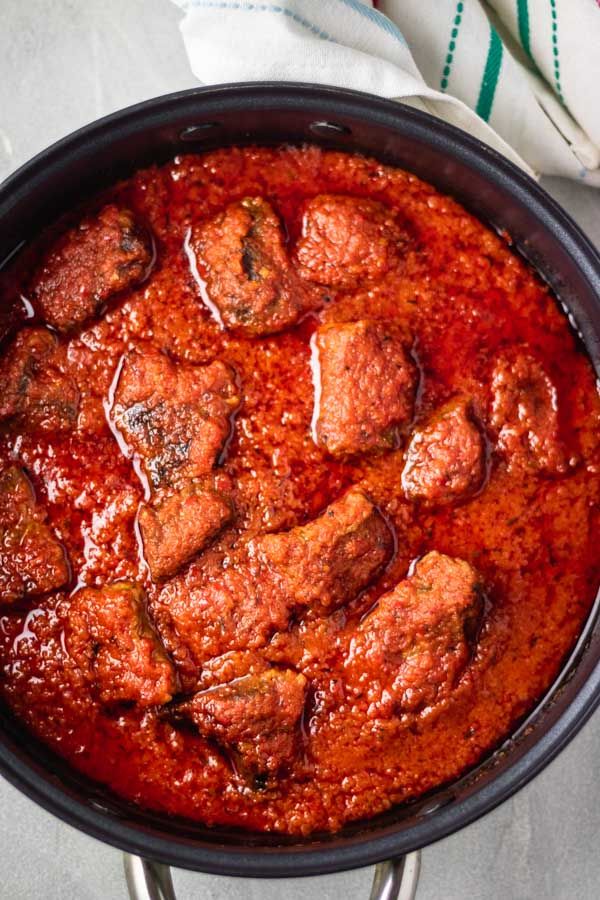
The Versatile Hero of the Kitchen
A well-made Ghanaian stew is defined by its “oil-top”—a sign that the water has been completely cooked out of the tomatoes, leaving behind a rich, sweet, and savoury concentrate. It is the most versatile item in any pantry, capable of transforming simple ingredients into a gourmet feast.
Why Our Stew Stands Out:
Slow-Simmered Perfection: We fry our tomato base until the acidity is gone, replaced by a deep, caramelized sweetness that only time and patience can create.
Aromatic Powerhouse: Infused with high-quality ginger, onions, and garlic, providing a fragrant aroma that fills the house.
The “Assorted” Experience: Designed to pair perfectly with any protein—be it fried fish, boiled eggs, corned beef, or “wele” (cowhide).
Natural Preservation: The traditional oil-based cooking method acts as a natural preservative, ensuring a long shelf life in the fridge or pantry.
No Artificial Colours: That vibrant red hue comes entirely from premium tomato paste and fresh, red bell peppers (Tatashe).
The “Stew Gallery”: Which one are you making?
Pro-Tips for the Perfect Stew:
The Oil Balance: Don’t be afraid of the oil! It’s what fries the tomatoes and preserves the stew. You can always skim off the excess once the stew is finished.
The “Ginger-Garlic” Pop: For a fresher taste, add a small extra spoonful of freshly blended ginger and garlic 5 minutes before you turn off the heat.
The Texture: If you like “crunchy” stew, add your sliced onions and green peppers at the very end so they retain their bite.
The Secret Ingredient: Many Ghanaian cooks add a small piece of salted fish (Momoni) or shrimp powder to the oil at the beginning to give the stew a deep, professional “umami” flavour.
Nutritional Value:
Rich in Lycopene: Cooked tomatoes are one of the best sources of this powerful antioxidant.
Vitamin Boost: Packed with Vitamins A and C from the peppers and onions.
Energy Dense: Provides the healthy fats needed to fuel a busy day.
Did You Know? In many Ghanaian homes, the “Stew Pot” is never truly empty. A bit of leftover stew is often used as the “starter” for the next batch to carry over the deep, aged flavors.
Reviews
There are no reviews yet.